
Hands-on CPR Training Program
Hands-on CPR Training Program
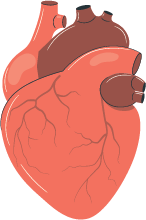
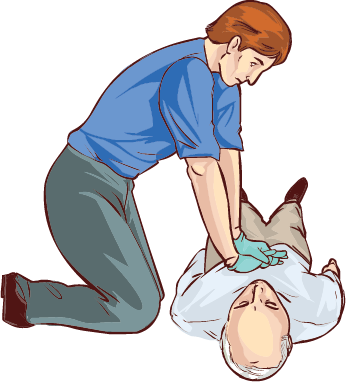
Cardiac Arrest can happen to anyone, anywhere, anytime. Your timely CPR can save the life of a loved one, colleague or friend. Cardiopulmonary resuscitation (CPR) is a lifesaving technique that is useful in many emergencies, such as cardiac arrest in which someone’s breathing or heartbeat has stopped. The basic life support steps are summarized with their initials-DRSABCD:
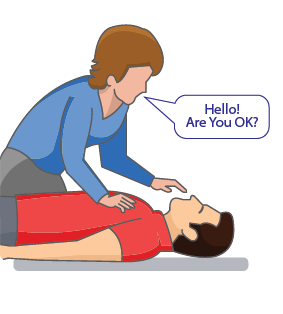
Check if the person is conscious or unconscious.
i). If the person appears unconscious, tap or shake his or her shoulder and ask loudly,”Are you OK?”
ii). If the person doesn’t respond, call for help.”
iii). If the person responds, make him comfortable, check for injuries and monitor response.
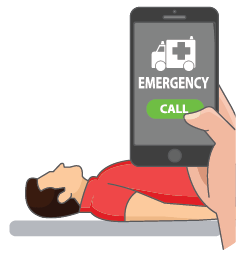
Call emergency number / ambulance or ask another person to make the call.
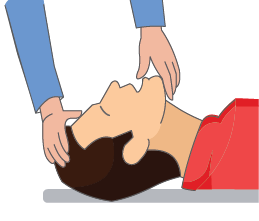
i). Open the patient’s mouth and check for foreign material.
ii). If there is foreign material such as food, roll the patient onto their side and clear the airway.
iii). If there are no foreign materials, leave the patient in the position found, and open the airway by tilting
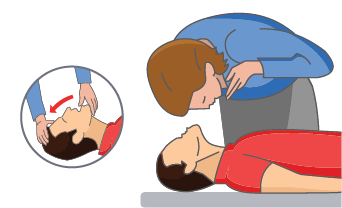
i). Check for breathing- look, listen and feel for 10 seconds.
ii). If breathing is normal, place in a comfortable position and monitor breathing.
iii). If no normal breathing, ensure an ambulance has been called and start CPR.
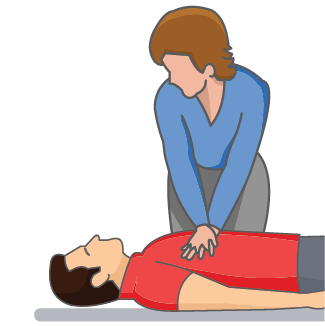
The American Heart Association uses the letter C-A-B to remember the steps for CPR
Compressions means you’ll use your hands to push down hard and fast in a specific way on the person’s chest.
Follow these steps for performing CPR compressions:
1). If you’re trained in CPR and you’ve performed 30 chest compressions, open the person’s airway using the head-tilt, chin-lift manoeuvre.
2). Put your palm on the person’s forehead and gently tilt the head back. Then with the other hand, gently lift the chin forward to open the airway.
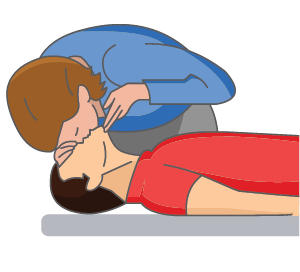
1). After opening the airway, pinch the nostrils shut for mouth-to-mouth breathing and cover the person’s mouth with yours.
2). Give the first rescue breath, lasting one second. Watch for the chest to rise with each breath.
3.) As per American Heart Association, mouth to mouth breathing is not compulsory to perform.
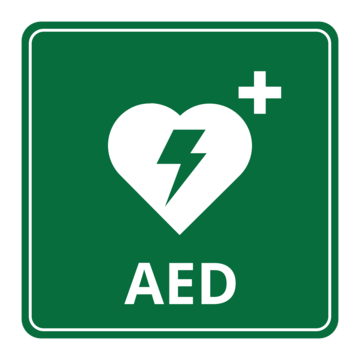
If you are comfortable using automated external defibrillator (AED), you can perform it, but if you are unsure about the usage of AED, wait for an ambulance or an emergency physician to come and apply an AED as soon as possible.

Consume colourful fruits and green leafy vegetables

Consume high-fiber cereals and whole grains

Choose meats carefully. Avoid processed meats. Include fatty fish and fish oils.

Control the portion size of your meals. Instead of having 3 heavy meals try to eat 6 small meals.

Watch your calories in what you eat

Stay active with regular physical activity

Keep unhealthy and tempting foods out of sight

Make healthy snacking habits that include nuts and dry fruits

Check nutrition labels for added sugars like brown sugar, cane sugar, sucrose, and malt syrup

Use healthy substitutes such as natural sweeteners such as honey, dates, maple syrup, etc

Avoid sugar-sweetened beverages, canned juices, pies, and cookies

Choose whole foods over refined foods
Consume colourful fruits and green leafy vegetables
Consume high-fiber cereals and whole grains
Choose meats carefully. Avoid processed meats. Include fatty fish and fish oils.
Control the portion size of your meals. Instead of having 3 heavy meals try to eat 6 small meals.

Watch your calories in what you eat

Stay active with regular physical activity

Keep unhealthy and tempting foods out of sight

Make healthy snacking habits that include nuts and dry fruits

Check nutrition labels for added sugars like brown sugar, cane sugar, sucrose, and malt syrup

Use healthy substitutes such as natural sweeteners such as honey, dates, maple syrup, etc

Avoid sugar-sweetened beverages, canned juices, pies, and cookies

Choose whole foods over refined foods